Cable-Driven Robotics: Advancing Dexterity and Control
New advancements in robotics are highlighting the versatility and precision of cable-driven systems, offering solutions for intricate tasks and human interaction.
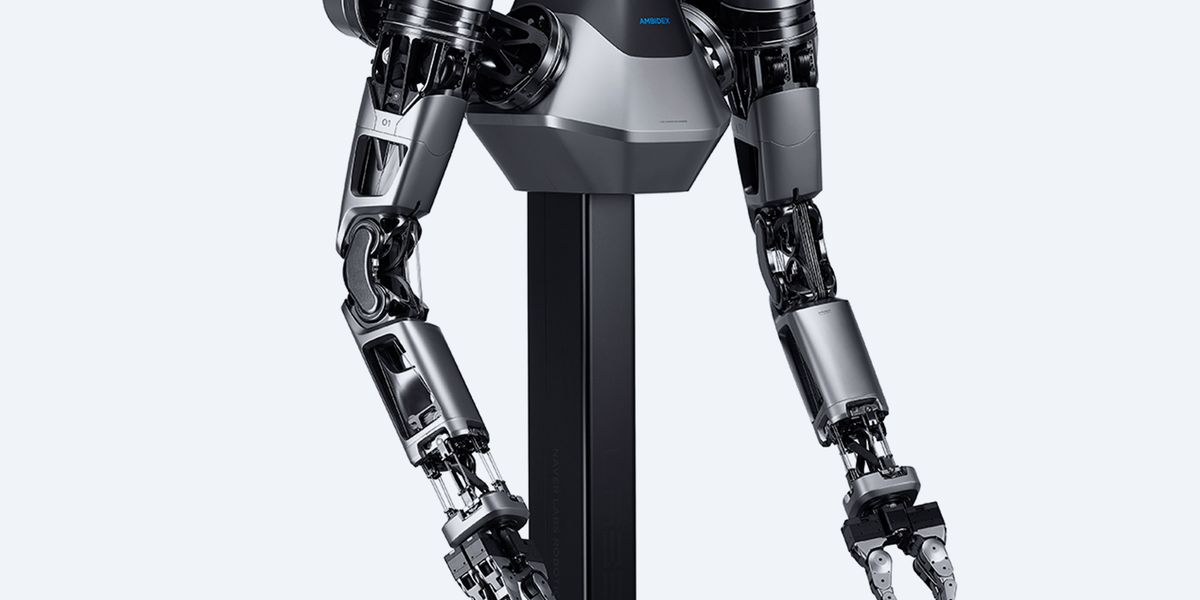
Robotics research is showcasing sophisticated cable-driven systems, demonstrating enhanced dexterity and control for a variety of applications, from manipulation to human-robot collaboration.
The Promise of Cable-Driven Robotics
The field of robotics is continuously pushing the boundaries of what automated systems can achieve. A significant area of development involves cable-driven robots, which utilize a network of wires or cables to manipulate joints and end-effectors. This approach often results in robots that are lighter, more compliant, and potentially more agile than their rigid, gear-driven counterparts. These characteristics are particularly advantageous in scenarios requiring delicate interaction, high speeds, or where safety in human proximity is paramount.
Researchers are exploring various configurations and control methods to maximize the benefits of cable-driven designs. The inherent flexibility of these systems allows for a broader range of motion and adaptability, making them suitable for tasks that demand precision and a gentle touch. Unlike traditional rigid robots, which can be limited by the bulk and inertia of their actuators, cable-driven systems can distribute their motors away from the robot arm itself. This design choice reduces the moving mass, leading to faster acceleration, more dynamic responses, and a lower impact force in case of accidental contact, thereby improving safety in collaborative environments.
AMBIDEX: A Human-Safe Manipulator
A notable example of this innovation is the AMBIDEX robot, developed by researchers at Seoul National University and supported by the Korea Institute of Science and Technology. This dual-arm, cable-driven robot is engineered with human safety and interaction as core principles. Instead of rigid links and heavy motors at each joint, AMBIDEX employs a complex system of cables, similar to tendons in a biological organism. These cables are routed through the robot's structure to a series of motors located at the base, effectively keeping the bulk and weight away from the moving parts.
The result is a robot arm that is remarkably lightweight and inherently compliant. This compliance means the arm can absorb impacts and yield to external forces, significantly reducing the risk of injury if it collides with a human operator. The AMBIDEX system's design also allows for high dexterity, making it capable of performing intricate manipulation tasks that might be challenging for more conventional robots. Its ability to work closely and safely alongside humans opens up new possibilities for automation in manufacturing, healthcare, and other service industries where collaborative robotics is increasingly desired.
Precision Control and Feedback
The effective operation of cable-driven robots like AMBIDEX relies heavily on advanced control algorithms and sophisticated feedback systems. Because the cables can stretch or slacken, and the system is often underactuated (meaning there are fewer actuators than degrees of freedom in certain configurations), maintaining precise control is a complex engineering challenge. Researchers are developing innovative methods to monitor cable tension, joint positions, and external forces in real-time.
Force feedback is critical for these systems, enabling the robot to sense and respond appropriately to its environment. This allows for tasks such as grasping delicate objects without crushing them, or performing assembly operations with a precise amount of force. The development of robust sensors and intelligent control strategies that can compensate for the inherent flexibility and potential non-linearities of cable-driven systems is an ongoing area of research. These advancements are crucial for translating the theoretical advantages of cable-driven designs into practical, reliable, and high-performing robotic applications.
Beyond Industrial Arms: Diverse Applications
The principles behind cable-driven robotics extend beyond humanoid-like arms into a variety of other applications. High-speed cable-driven parallel robots, for instance, are being used for tasks requiring rapid movement across large workspaces, such as assembling components on a production line or handling materials in warehouses. The ability to distribute the actuation weight makes these systems exceptionally fast and energy- efficient for certain operations.
Another application area includes haptic interfaces, where cable-driven mechanisms can provide realistic force feedback to human users, simulating textures or resistance in virtual environments. This technology has implications for surgical training, remote manipulation, and even entertainment. Furthermore, the inherent safety and compliance of cable-driven designs make them ideal candidates for assistive robotics, where robots might directly interact with individuals with limited mobility, providing support or helping with daily tasks. The diverse applications underscore the fundamental advantages of this robotic paradigm.
Future Outlook for Cable-Driven Systems
The ongoing evolution of materials science, sensor technology, and artificial intelligence is poised to further enhance the capabilities of cable-driven robots. Lighter, stronger, and more durable cables, coupled with highly sensitive and miniaturized sensors, will enable even more precise and robust designs. The integration of advanced AI and machine learning algorithms will allow these robots to learn complex tasks, adapt to changing environments, and perform with greater autonomy.
As these systems become more sophisticated, their deployment across various sectors will likely accelerate. From highly sensitive manipulation in research labs to robust operations in manufacturing, cable-driven robots offer a compelling alternative to traditional robotic architectures. Their blend of dexterity, speed, and inherent safety positions them as a key technology for the next generation of collaborative and adaptable automation, as highlighted in reports from outlets like IEEE Spectrum.
Why it matters
For industries reliant on precise manipulation, such as electronics manufacturing, healthcare, and telecommunications infrastructure, the advancements in cable-driven robotics present a significant opportunity. The enhanced dexterity and compliance of systems like AMBIDEX mean that robots can perform intricate tasks with greater safety and efficiency, working alongside human technicians. This can lead to improved assembly processes, safer maintenance procedures in data centers or field operations, and new possibilities for remote assistance, ultimately impacting operational costs and overall productivity within AI and related tech sectors.
More from Trends
RSS
Access Denied: Unable to Generate Article Without Source Content
The provided source content leads to a paywall, preventing access to the original article text. Therefore, an original journalistic piece cannot be generated.

AI's Expanding Frontier: From Cosmic Models to Corporate Strategies
This briefing explores the latest in AI, from groundbreaking universal models to its transformative impact on global employment, finance, and geopolitics, reshaping industries.

The Rise of Ollobot: Redefining Human Connection Through AI Companionship
Ollobot, a pioneering AI companion robot, is transforming how individuals experience social interaction and support in their homes, addressing a growing need for connection.