Ensuring Accountability as AI Transforms Scientific Discovery
Artificial intelligence is revolutionizing scientific research, from astronomy to drug development. However, building public and scientific trust requires transparency and human oversight.
AI is rapidly reshaping scientific research, driving unprecedented data analysis and accelerating discovery, but its widespread adoption hinges on establishing clear accountability and fostering trust.
Artificial intelligence has become an indispensable tool in modern scientific endeavors, from unraveling the universe's greatest mysteries to revitalizing stalled pharmaceutical projects. It empowers researchers to sift through massive datasets, refine experimental designs, and formulate new hypotheses at speeds previously unimaginable. Yet, amidst this technological surge, critical questions arise regarding the trustworthiness of AI's outputs and the accountability of its application in high-stakes scientific fields. The perception of AI as an infallible, all-knowing entity, often amplified by industry hype, obscures its true nature as a sophisticated instrument designed to augment human intellect.
Alina Nikolaou, director and curator of TEDAI, Europe's prominent AI conference, aptly characterizes AI not as a sentient mind, but as an advanced microscope. It enhances human observational capabilities, deepens data analysis, and streamlines problem-solving. This perspective underscores a fundamental truth: AI is a means to an end, a powerful aid that carries both immense opportunities and inherent risks. As AI's integration into scientific processes deepens, building confidence in its deployment is paramount for its acceptance among the scientific community, policymakers, funding bodies, and the public.
Peering into the Cosmos: AI and Dark Matter Exploration
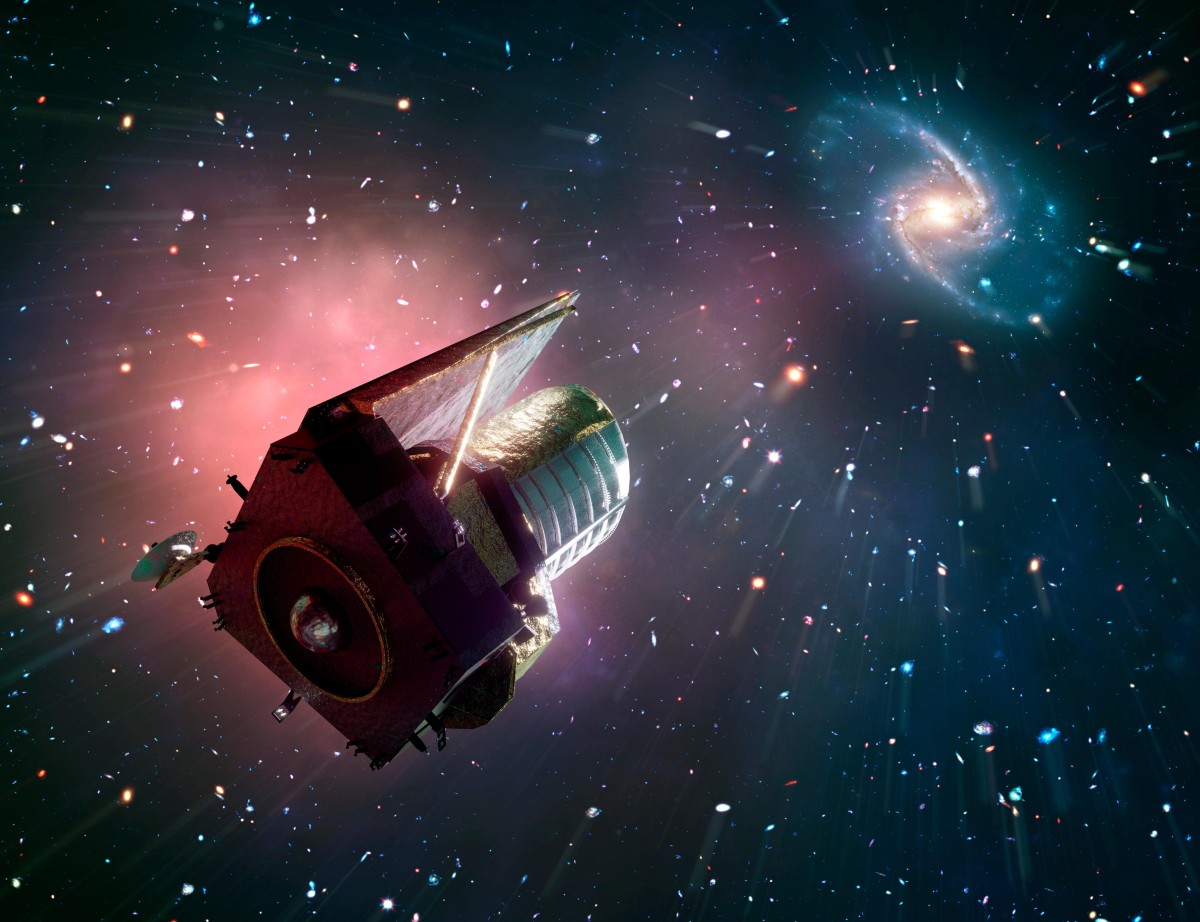
The European Space Agency's Euclid telescope exemplifies AI's capacity for handling colossal data streams. Launched in July 2023, Euclid's mission is to observe over 1.5 billion galaxies to shed light on dark matter and dark energy, which together constitute approximately 95% of the universe's total energy budget. These elusive components remain largely unknown, though dark matter's gravitational effects on visible matter are observable, and dark energy is theorized to be responsible for the accelerating expansion of the universe.
Valeria Pettorino, Euclid project scientist, notes that the telescope generates roughly 100 gigabytes of data daily. This volume, escalating to an anticipated 2 petabytes in its first major data release later this year, makes human analysis alone infeasible. AI is therefore critical for managing and interpreting this deluge of information. Euclid's observations will allow scientists to trace the influence of dark matter and dark energy on galaxy evolution over the last 10 billion years. Phenomena like gravitational lensing, where massive objects distort light from distant galaxies, offer clues about dark matter's distribution and properties, and AI is essential in identifying and quantifying these subtle distortions.
To ensure the reliability of these findings, a collaborative approach has been adopted. Thousands of citizen scientists have contributed to training AI models to identify suitable galaxies for further study. These volunteers then validate the models' selections, with expert scientists performing the final review. This 'human-in-the-loop' methodology significantly accelerates the analytical process, enabling discoveries that would otherwise remain hidden within the data. Pettorino emphasizes that clearly articulating the collaboration between AI and human expertise is key to fostering trust in Euclid's scientific outcomes. Transparency about where and how AI is utilized, alongside human validation, is crucial.
Reviving Drug Candidates: AI in Pharmaceutical Innovation
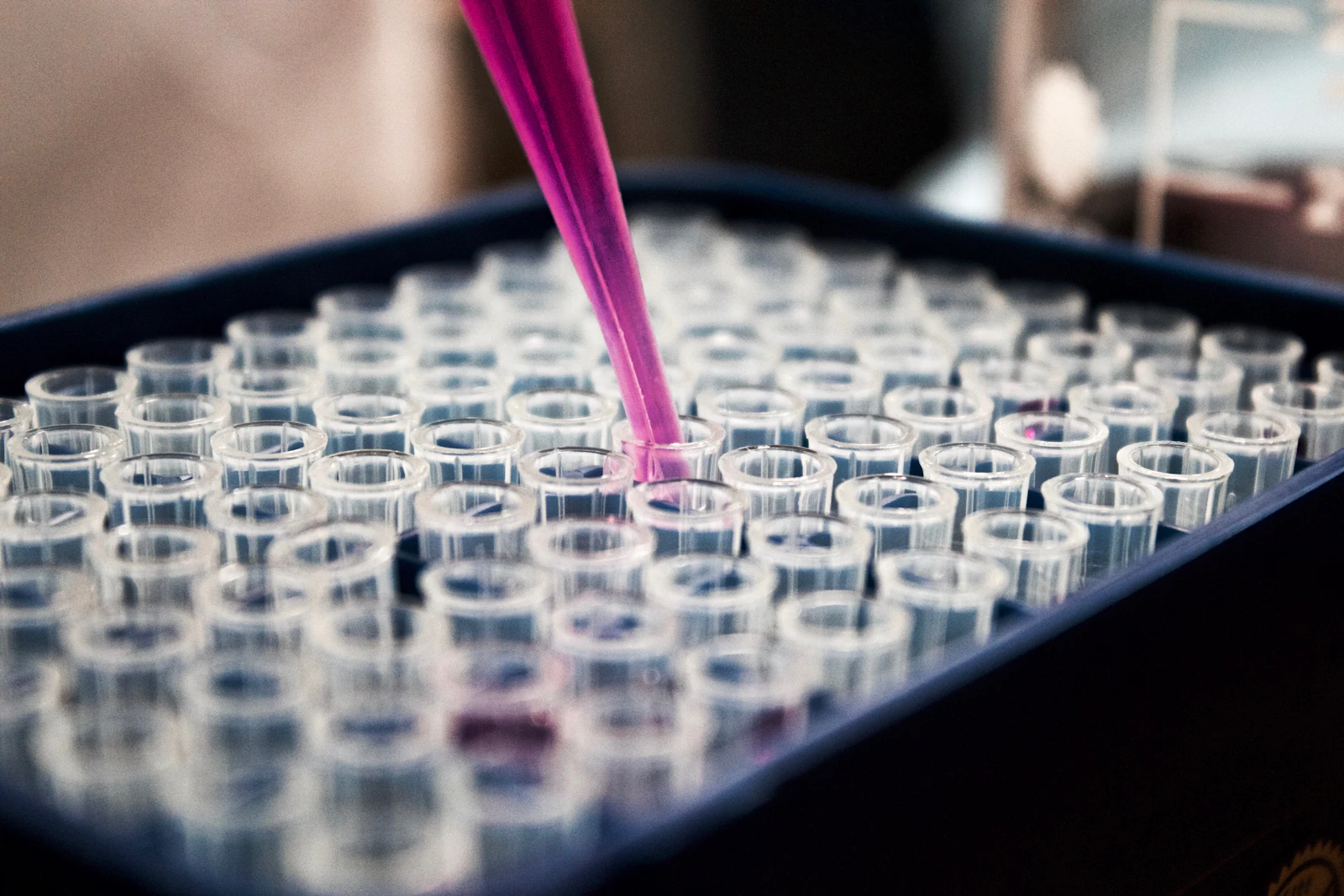
On Earth, AI is being applied to a different, yet equally complex, scientific challenge: salvaging promising drug candidates that failed in clinical trials. A staggering 90% of potential drugs never reach market, often due to safety concerns. Ignota Labs, co-founded by Layla Hosseini-Gerami, chief data science officer, aims to extract value from these past failures.
Ignota has developed an agentic AI system to scan clinical trial databases for abandoned drug candidates that may still hold potential. Once human scientists identify viable options, they engage with the original pharmaceutical companies to access more detailed information. A second AI, named SAFEPATH, then analyzes the drug's chemical structure and runs numerous models to predict its interactions with various proteins. This process helps uncover unwanted interactions that might be responsible for adverse side effects. The AI can then propose minimal molecular modifications to mitigate toxicity.
Hosseini-Gerami explains that the sheer number of ways drugs can induce side effects makes comprehensive human testing impossible. AI excels at generating hypotheses for testing and pinpointing the smallest structural changes that could reduce toxicity. Like Pettorino, she stresses the indispensability of human involvement. The synergy between AI and the scientist is the engine of success, she asserts. Ignota Labs does not advocate for AI making all decisions, but rather for its role in gathering information and generating insights, which humans can then critically assess, challenge, and validate.
The Critical Role of Trust and Human Oversight
Exaggerated claims that AI can entirely replace human scientists risk eroding public and scientific trust in the technology. The current environment is characterized by significant hype, and trust begins to wane when organizations rely solely on AI for all decisions. Especially in high-risk scientific fields, human judgment remains indispensable; every AI output requires meticulous scrutiny.
Pettorino points out the importance of not just training AI models, but also educating humans on the most effective ways to utilize the technology and interpret its results. Hosseini-Gerami agrees, highlighting that the ability to critically evaluate AI-generated outputs is a vital skill. Both scientists are optimistic that a growing awareness of AI's capabilities and limitations will lead to its more judicious integration into research areas where it can make the most significant positive impact. As Hosseini-Gerami notes, with time, the scientific community will learn where AI truly moves the needle.
Ultimately, whether applied to cosmic exploration or drug design, the message from these diverse applications of AI is consistent: transparency about AI's function and its complementary role to human expertise is paramount for solving scientific problems. As Nikolaou from TEDAI aptly puts it, clear communication is more crucial than ever, underscoring that behind every AI breakthrough stand numerous dedicated human scientists. This nuanced understanding, initially explored in an article by Nature, is crucial for realizing AI's full potential in science.
Why it matters
AI's increasing role in science directly impacts the infrastructure and operational domains within telecommunications and data centers. The computational demands of advanced AI models for tasks like astronomical data analysis or drug discovery necessitate significant processing power, memory, and high-speed networking. This drives innovation in data center design, energy efficiency, and cooling solutions. For in-field technicians, understanding AI's outputs becomes critical, especially in areas like predictive maintenance or autonomous infrastructure management. As AI models analyze vast telemetry data to forecast equipment failures or optimize network performance, technicians will need to interpret these AI-driven insights to perform targeted interventions. Ensuring accountability in AI's scientific applications sets a precedent for its responsible deployment across all industries, including the critical infrastructure supporting our digital world.
More from Trends
RSS
Robotic Evolution: Autonomous Systems Redefine Warehouse and Logistics Efficiency
New advancements in autonomous robotics, particularly in warehouses and drone delivery, are ushering in an era of unprecedented efficiency, adaptability, and safety.
Error: Source Article Not Found
The provided source URL returned a 404 error, indicating the original article content could not be accessed. Therefore, the requested rewrite cannot be generated.
Error: Source Content Unavailable
The provided source content was an error page from the Financial Times, indicating the markets data site was unavailable. No article content was provided for rewriting.