US Robotics Distributor Pivots to Domestic Manufacturing Amidst Regulatory Clampdown
A major US distributor of Chinese-made robots is shifting its business model to domestic manufacturing in New York, prompted by increasing US restrictions on foreign robotics.
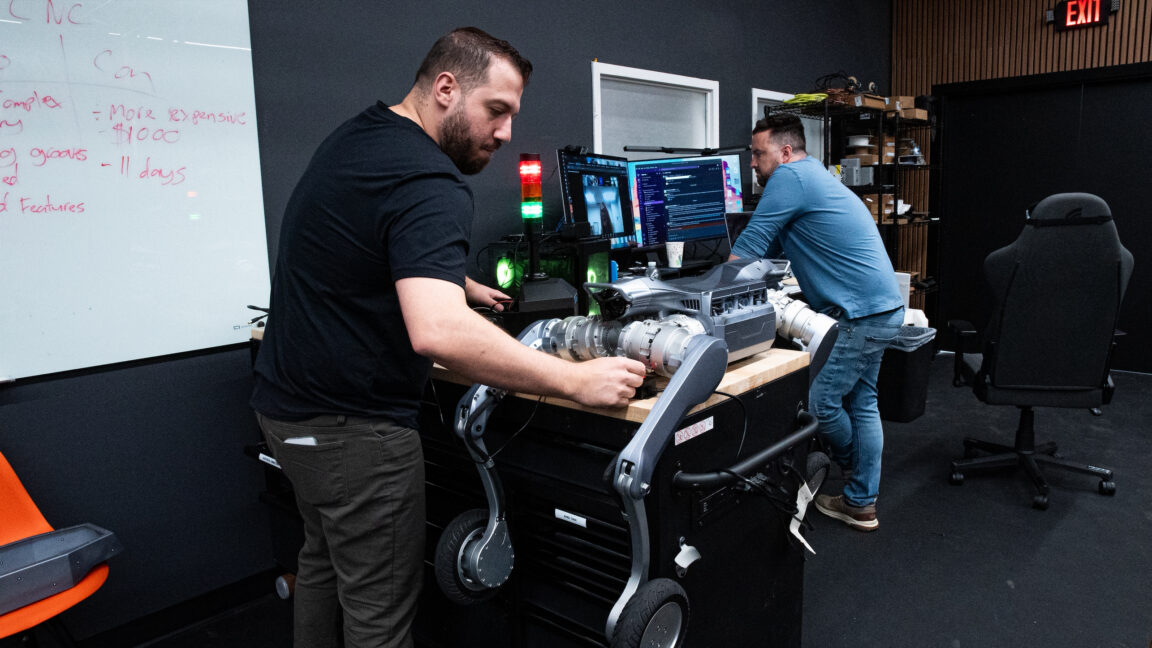
A prominent US distributor of Chinese-made humanoid and quadruped robots is transforming its business, establishing a domestic manufacturing facility in New York to produce its own robotics solutions, a strategic shift driven by escalating US government restrictions on foreign-manufactured robotic systems.
A Strategic Reorientation in Robotics
RoboStore, a company that previously served as the primary North American channel for humanoid and quadruped robots from the Chinese manufacturer Unitree Robotics, is embarking on a significant business transformation. This pivot involves establishing its own robot manufacturing operations on Long Island, New York. The move comes as the United States government intensifies its scrutiny and regulation of foreign-made robotic technologies, particularly those originating from China. RoboStore had built a substantial presence in the market, distributing affordable and widely adopted robot models. These systems found their way into numerous prestigious institutions, including Harvard and MIT, as well as technology giants such as Amazon and Nvidia, all utilizing them for various research and development endeavors.
Teddy Haggerty, the founder and CEO of RoboStore, highlighted the company's extensive experience, stating they had sold over 1,500 robots, facilitating their deployment and collaborating with a diverse client base that included Cisco, OpenAI, Nvidia, and more than 150 universities. However, this established distribution model is now being reshaped. On August 10, RoboStore publicly announced its new strategic direction, outlining plans to fully launch a 66,000-square-foot facility dedicated to commercial robot manufacturing by the first fiscal quarter of 2027. To manage this new venture, the company also unveiled Robo Inc., a new entity specifically created to oversee the development of its robotics manufacturing and systems integration business.
The Catalysts for Change
Discussions about shifting towards in-house robotics manufacturing began within Haggerty's team approximately a year prior to the formal announcement. Their extensive experience in supporting customer deployments and integration requests provided valuable insights into how clients intended to utilize robots for specific applications. This deep understanding led them to believe they could better assist companies in integrating industry-specific robotic solutions, moving beyond the prevalent trend of promoting general-purpose humanoid robots for a wide array of tasks. Haggerty emphasized that specialized robotic arms, akin to those offered by companies like Standard Bots and Universal Robots, are often better suited for the precise needs of most businesses compared to the broader capabilities of humanoid robots.
However, the pace of these internal discussions and planning accelerated significantly due to a growing legislative push within the US government to restrict or outright ban foreign-made robots. This legislative activity included the introduction of the American Security Robotics Act in the Senate in March, followed by the GUARD Act in the House of Representatives in June. The most impactful development occurred in July, when the US Federal Communications Commission enacted a ban on the import of new models of foreign-made robots. This prohibition encompassed popular consumer devices such as robot vacuum cleaners, alongside Unitree's humanoid robots and robot dogs. The justification for these measures centered on national security concerns, citing potential cybersecurity vulnerabilities, though it also clearly aimed to stimulate domestic robot production within the United States.
By the time these significant regulatory changes materialized, RoboStore had already ceased its distribution activities. Despite this, the company committed to continuing support for its existing customer base, ensuring access to parts, repairs, and upgrades for previously purchased robot models. The team's collective focus has now fully transitioned to developing new robotic products and building out its manufacturing capabilities.
Developing Next-Generation Robotics
Under the newly formed Robo Inc. umbrella, the team is actively engaged in the development and testing of several distinct robotic products. One notable innovation is a humanoid torso mounted on a wheeled chassis, specifically designed for applications within the healthcare sector and for concierge services. This robot is envisioned to be equipped with cameras and sensors capable of monitoring standard patient vital signs, such as temperature and blood oxygen levels. Other initial products in development include a specialized quadruped robot intended for security applications and a dedicated humanoid robot platform tailored for educational and research institutions. Haggerty noted that universities are specifically seeking US-compliant products, positioning Robo Inc. to leverage its extensive experience as a leading distributor to the education sector for robotics.
Robo Inc.'s engineers are already utilizing advanced manufacturing techniques like 3D printing to create robot prototypes, which are currently undergoing testing with select customers. The company anticipates that commercial versions of these robots will be produced at their new dedicated facility by early 2027. While the path to commercialization and scaling manufacturing presents its own set of challenges, Robo Inc. is also preparing for its initial significant funding round. Up until this point, the business has operated without external investor capital. Haggerty expressed confidence in their fundraising efforts, stating that outreach to their extensive customer network has generated considerable interest, which he believes will significantly aid the capital-raising process.
Why it matters
This strategic pivot by Robo Inc. holds significant implications for the landscape of AI and robotics, particularly for organizations engaged in research, development, and operational deployment. For in-field AI applications, the emergence of domestically manufactured, specialized robots could lead to more secure, reliable, and compliant solutions, reducing reliance on potentially vulnerable foreign supply chains. This directly impacts technicians and engineers who integrate and maintain these systems, as they will benefit from local support and potentially more robust, purpose-built hardware. Data center operations and telecommunication infrastructure, which increasingly rely on automated systems for maintenance and security, could see new options for American-made robotic solutions designed with stringent security and operational standards in mind. The trend towards domestic production underlines a broader move towards supply chain resilience and national technological sovereignty in critical areas of advanced technology, shaping future development and deployment paradigms across various industries, a narrative highlighted by the reporting from Ars Technica.
More from Trends
RSS
Access Denied: Unable to Generate Article Without Source Content
The provided source content leads to a paywall, preventing access to the original article text. Therefore, an original journalistic piece cannot be generated.

AI's Expanding Frontier: From Cosmic Models to Corporate Strategies
This briefing explores the latest in AI, from groundbreaking universal models to its transformative impact on global employment, finance, and geopolitics, reshaping industries.

The Rise of Ollobot: Redefining Human Connection Through AI Companionship
Ollobot, a pioneering AI companion robot, is transforming how individuals experience social interaction and support in their homes, addressing a growing need for connection.