GlobalFoundries and Marvell Strengthen Partnership to Boost High-Speed AI Data Center Connectivity
GlobalFoundries and Marvell Technology have expanded their manufacturing agreement, significantly increasing production capacity for crucial silicon germanium (SiGe) chips.

GlobalFoundries and Marvell Technology have expanded their manufacturing agreement, significantly increasing production capacity for crucial silicon germanium (SiGe) chips essential for high-speed optical connections in AI data centers.
Meeting the Surge in AI Infrastructure Demand
The burgeoning artificial intelligence industry is driving unprecedented demand for advanced computing infrastructure. At the heart of this expansion are data centers, which require increasingly sophisticated components to handle the massive volumes of data generated and processed by AI models. Recognizing this critical need, leading semiconductor manufacturer GlobalFoundries and digital infrastructure solutions provider Marvell Technology have announced a significant expansion of their existing multi-year agreement. This enhanced partnership focuses on ramping up the production of specific semiconductor devices vital for high-speed optical connectivity within these next-generation data centers.
The core of this expanded collaboration centers on GlobalFoundries' proprietary silicon germanium, or SiGe, technology. This specialized material is instrumental in fabricating semiconductor devices that offer both faster performance and greater energy efficiency. These characteristics are paramount in an environment where data transfer speeds are constantly escalating and power consumption is a growing concern. The increased manufacturing capacity for SiGe technology will be facilitated at GlobalFoundries' facility in Burlington, Vermont, signaling a strategic investment in domestic production capabilities to support a global technological shift.
The Crucial Role of Silicon Germanium in Optical Networking
The relentless growth of AI data centers necessitates a parallel evolution in networking capabilities. Traditional copper-based connections often struggle to keep pace with the sheer volume and velocity of data required for AI workloads. This is where optical networking, which uses light to transmit information, becomes indispensable. SiGe technology plays a pivotal role in these advanced optical systems, particularly in components known as optical transceivers.
Optical transceivers are devices that convert electrical signals into optical signals for transmission over fiber optic cables, and then convert optical signals back into electrical signals at the receiving end. The efficiency and speed of these conversions directly impact the overall performance of a data center network. Chips built with SiGe technology are ideally suited for these applications because they can operate at extremely high frequencies with lower power consumption compared to other semiconductor materials. This makes them a fundamental building block for the increasingly fast and dense optical connections that define modern AI infrastructure.
Marvell, a key player in data infrastructure semiconductors, heavily relies on such advanced components for its product portfolio. The company designs and manufactures a range of sophisticated optical networking products, including pluggable optical transceivers, near-packaged optics, and co-packaged optics. These solutions are critical for managing the high-bandwidth requirements of AI and machine learning applications. By securing additional SiGe manufacturing capacity from GlobalFoundries, Marvell aims to ensure a stable and scalable supply chain, allowing it to meet the anticipated surge in demand for its high-performance connectivity solutions.
Strategic Capacity Expansion and Market Impact
The decision to expand capacity is a direct response to market indicators and the projected trajectory of AI development. As more businesses and research institutions adopt and deploy AI, the underlying data center infrastructure must scale accordingly. This isn't merely about adding more servers, but also about enhancing the speed and efficiency of the data pathways that connect these servers, storage units, and external networks.
Robb Johnson, Vice President of Foundry Technology at Marvell, highlighted the importance of this collaboration, stating that the expanded partnership with GlobalFoundries will help guarantee access to the necessary SiGe technology and manufacturing capacity. This strategic foresight is crucial for Marvell to support the substantial growth they foresee in the advanced optical networking market. The agreement underscores a shared understanding between the two companies regarding the critical nature of reliable and high-performance components in the age of AI.
The market reacted positively to the news of this expanded partnership. Shares of GlobalFoundries experienced an approximate 4 percent increase in morning trading following the announcement, while Marvell's stock saw an even more significant rise of 6.3 percent. This financial response reflects investor confidence in the strategic alignment of the two companies with the booming AI sector and their proactive steps to secure future supply chains for essential technology. Such capacity agreements are becoming increasingly common as semiconductor shortages and supply chain vulnerabilities have highlighted the importance of long-term partnerships and secured manufacturing pipelines.
The Role of Foundries in the AI Revolution
Foundries like GlobalFoundries are the backbone of the semiconductor industry, specializing in the fabrication of integrated circuits designed by other companies. Their expertise and advanced manufacturing facilities are indispensable for bringing cutting-edge chip designs to fruition. In the context of AI, foundries play a particularly vital role because AI chips often require highly specialized processes and materials to achieve their unique performance characteristics. SiGe technology is one such specialization, allowing for the creation of chips that can handle the extreme demands of optical communication in AI data centers.
This partnership between a leading foundry and a key infrastructure solutions provider exemplifies the collaborative nature of the AI revolution. No single company can deliver the entire ecosystem, and strategic alliances across the supply chain are essential for innovation and scaling. The continued investment in advanced fabrication techniques and materials by foundries like GlobalFoundries, as reported by Reuters, directly supports the ambitious goals of companies like Marvell, which are designing the next generation of AI-enabled digital infrastructure.
Why it matters
This collaboration between GlobalFoundries and Marvell is a clear indicator of the foundational infrastructure requirements for the expanding AI landscape. For telco operators, data center managers, and in-field technicians, it signifies a future with increasingly high-speed, high-density optical networks. This means more robust and efficient data transfer capabilities, enabling advanced AI applications and services. Technicians will likely encounter more complex optical systems and components requiring specialized skills for installation, maintenance, and troubleshooting. The sustained investment in SiGe technology ensures that the physical layer of the digital world can keep pace with the accelerating demands of AI, directly impacting the performance, reliability, and energy footprint of global digital infrastructure.
More from Trends
RSS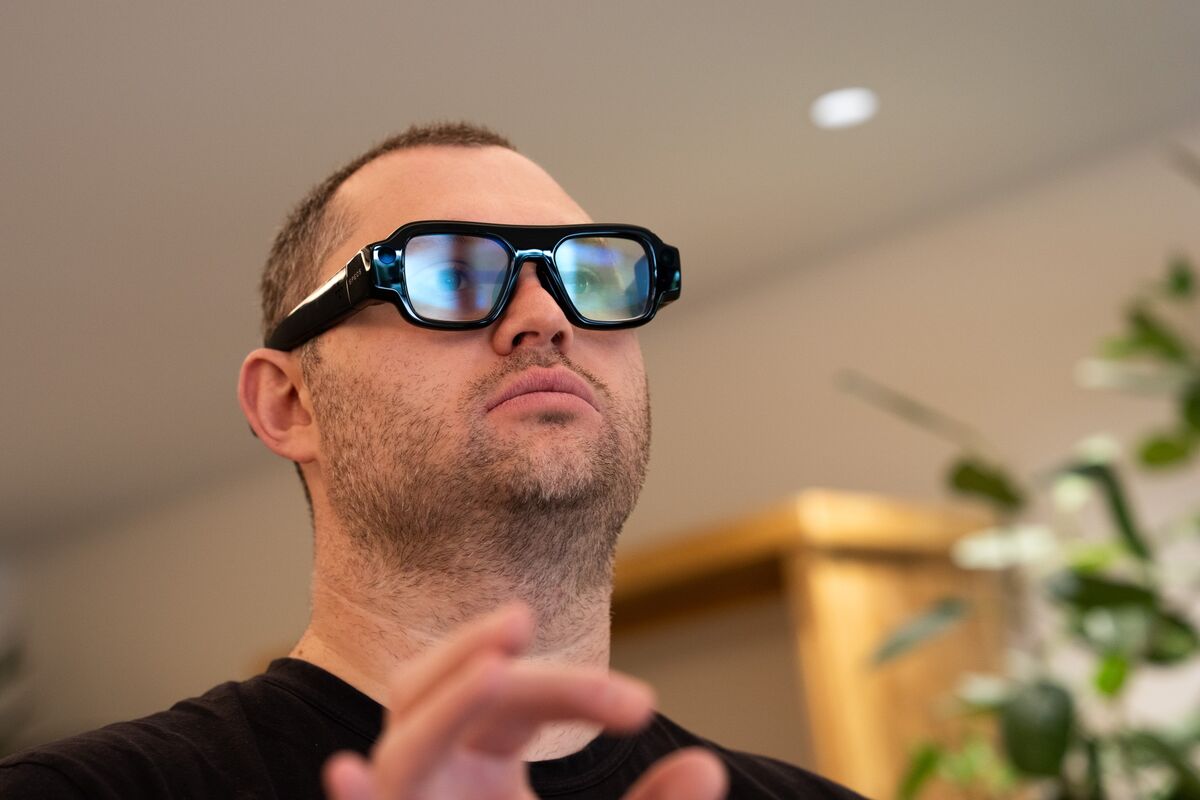
Snap's Bold Vision for Augmented Reality with Specs and Verizon
Snap Inc. is pushing forward with its ambitious augmented reality glasses, Specs, priced at $2,195, forging a key partnership with Verizon to enhance consumer adoption.

The Optical Revolution: How Prescription Glasses Are Paving the Way for Widespread AR Adoption
For over a decade, wearable augmented reality optics have promised a seamless integration of digital information into our daily lives. The primary hurdle: scalable prescription integration.

Error: Article Content Not Provided
The source content provided was a cookie consent pop-up and legal disclaimers, not the actual article. Please provide the full article content to proceed with the request.