Humanoid Robots Achieve Surgical Success in Animal Trials
New research demonstrates that humanoid robots can successfully perform complex surgical procedures in animal models, pushing the boundaries of robotic application in healthcare.
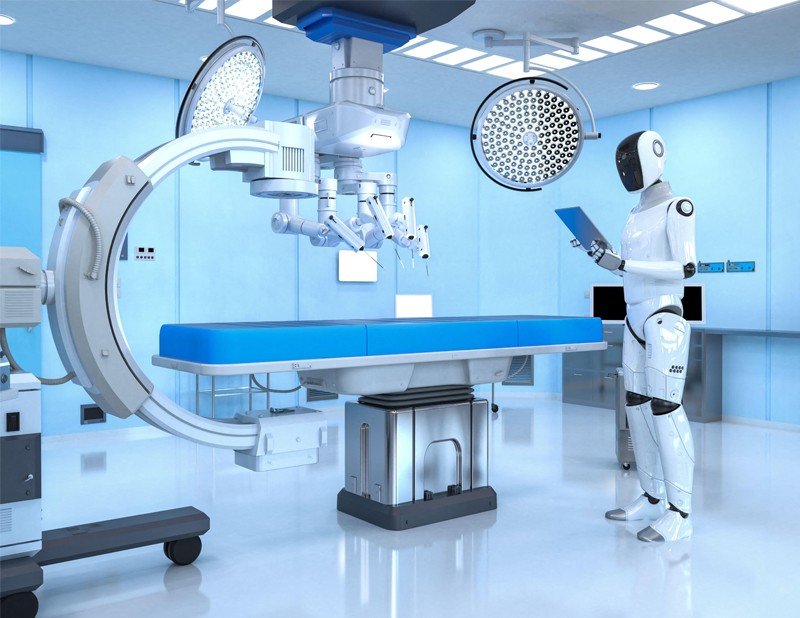
Humanoid robots are now demonstrating the ability to successfully perform surgical operations in animal subjects, marking a significant step towards their potential integration into medical practice.
The Evolution of Surgical Robotics
Surgical robotics is not a new concept. For many years, specialized robotic systems have assisted surgeons, typically comprising purpose-built platforms equipped with proprietary instruments. These machines are designed for specific tasks within the operating theatre, offering enhanced precision and control in various procedures. However, the current landscape of surgical robotics often necessitates dedicated infrastructure and instruments, which can limit their accessibility and broad application across diverse clinical environments.
Humanoid Robots: A New Frontier
A distinct category of robots, known as humanoids, presents a different approach. Unlike their industrial counterparts, humanoid robots are engineered with physical characteristics resembling humans. This design choice is not merely aesthetic, but functional. Humanoids are increasingly adept at navigating spaces and utilizing tools that are typically designed for human operators. This inherent versatility could significantly broaden their practical utility, allowing them to integrate more seamlessly into existing hospital layouts and utilize standard surgical tools, thereby potentially reducing the cost and complexity associated with specialized robotic systems.
The critical question, until now, has been whether these human-like machines possess the necessary attributes for the demanding environment of surgery. Precision, unwavering reliability, and paramount safety are non-negotiable requirements for any technology entering the surgical field. The recent advancements in humanoid robotics suggest they are beginning to meet these stringent criteria, moving beyond theoretical capabilities to demonstrable performance.
Demonstrating Surgical Prowess in Animals
Recent trials have provided compelling evidence of humanoid robots' surgical competence. In these studies, these advanced machines successfully executed complex surgical procedures on animal subjects. This achievement is a landmark, as it moves the discussion from potential to proof of concept in a real-world, albeit preclinical, setting. The ability of these robots to handle delicate tissues, perform intricate maneuvers, and maintain sterile conditions throughout the operation underscores their growing sophistication.
The implications of these successful animal trials are profound. They indicate that humanoid robots could one day perform a range of surgical interventions, potentially augmenting the capabilities of human surgeons or even, in some specialized contexts, operating autonomously. The development path for these robots includes advanced haptic feedback systems, improved dexterity, and more sophisticated artificial intelligence for real-time decision-making and adaptation during surgery.
Addressing Precision and Reliability
One of the primary concerns surrounding robotic surgery, particularly with humanoid forms, revolves around precision and reliability. Conventional surgical robots are known for their sub-millimeter accuracy, a benchmark that humanoids must meet or exceed. The recent research suggests that engineers are successfully integrating high-fidelity sensors, advanced motor control systems, and complex algorithms that enable these robots to execute surgical tasks with extreme accuracy. The reliability factor is also being addressed through rigorous testing protocols, ensuring that the robots can consistently perform without error over extended periods.
Safety is another critical aspect. The development of humanoid surgical robots includes multiple layers of safety protocols, ranging from fail-safe mechanisms to continuous monitoring by human oversight. The goal is to create a system where the risk of error is minimized, and any potential issues can be immediately identified and rectified, either by the robot's own internal systems or by human intervention.
The Road Ahead for Clinical Integration
While the animal trials represent a monumental step, the journey towards widespread clinical integration of humanoid surgical robots is still in its early stages. Future research will focus on translating these successes from animal models to human clinical trials, which will involve even more stringent regulatory hurdles and ethical considerations. The development of robust artificial intelligence capabilities that can handle unforeseen surgical complications, adapt to individual patient anatomies, and learn from experience will be crucial. Furthermore, the human-robot interface will need to be refined to allow surgeons to collaborate effectively with these machines, whether through direct control or supervisory roles.
This progression was highlighted in research reported by Nature, which described the detailed capabilities and performance metrics of these robotic systems. The successful completion of these surgical tasks in animals paves the way for further investigation into their application in human medicine, potentially redefining the future of surgical practice.
Why it matters: The integration of highly capable humanoid robots into surgical settings has significant implications for AI and robotics in critical infrastructure. For telco and data centre operations, this advancement demonstrates the potential for autonomous systems to perform complex, precision-demanding tasks in environments that may be hazardous or inaccessible to humans. The lessons learned in developing surgical precision, reliability, and safety protocols for humanoid robots can directly inform the design and deployment of AI-driven robotic technicians for intricate maintenance, repair, and diagnostic tasks in sensitive technological infrastructure, ultimately enhancing operational efficiency and safety.
More from Trends
RSS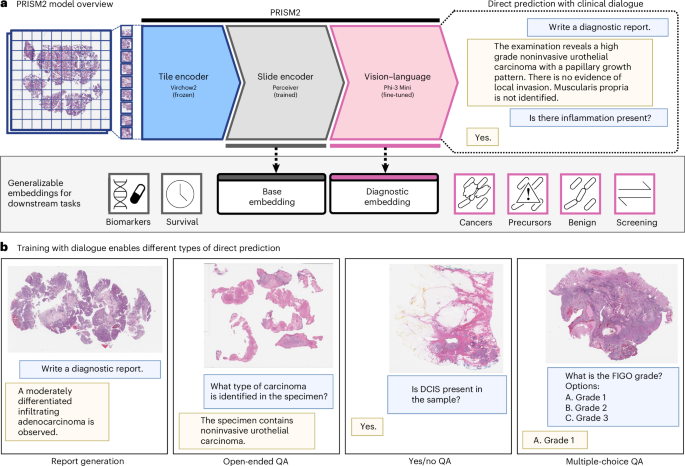
PRISM2: Bridging Pathology Images and Clinical Dialogue for Advanced Cancer Diagnostics
A new multimodal AI model, PRISM2, integrates vast pathology slide data with clinical reports to achieve human-level diagnostic accuracy in cancer detection.
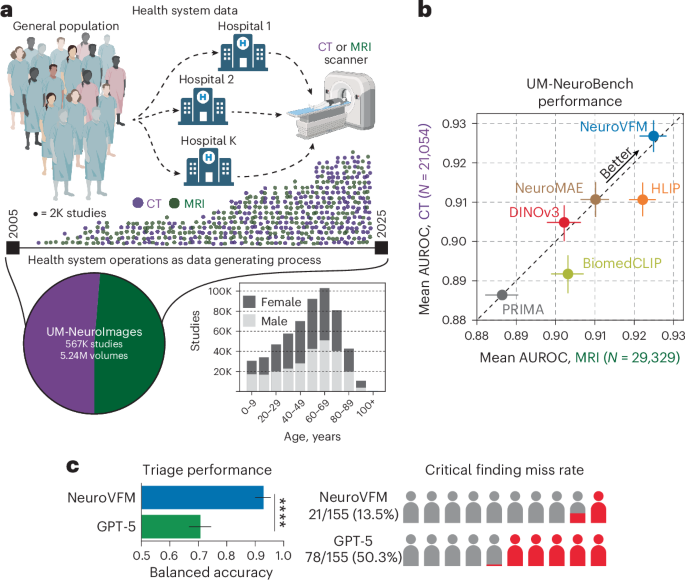
AI Model NeuroVFM Revolutionizes Neuroimaging Diagnostics
A new AI model, NeuroVFM, trained on millions of clinical scans, demonstrates superior diagnostic accuracy and efficiency in neuroimaging compared to existing models.

Robotics Advances: From Lab Demonstrations to Real-World Applications
Recent developments in robotics showcase advanced capabilities in humanoid and quadrupedal robots, moving beyond controlled environments to practical tasks.