Snap Prepares for Major AR Glasses Launch Event
Snap Inc. is gearing up to unveil its highly anticipated AR Specs at a September 16 event, promising a deep dive into the $2,195 augmented reality device's capabilit
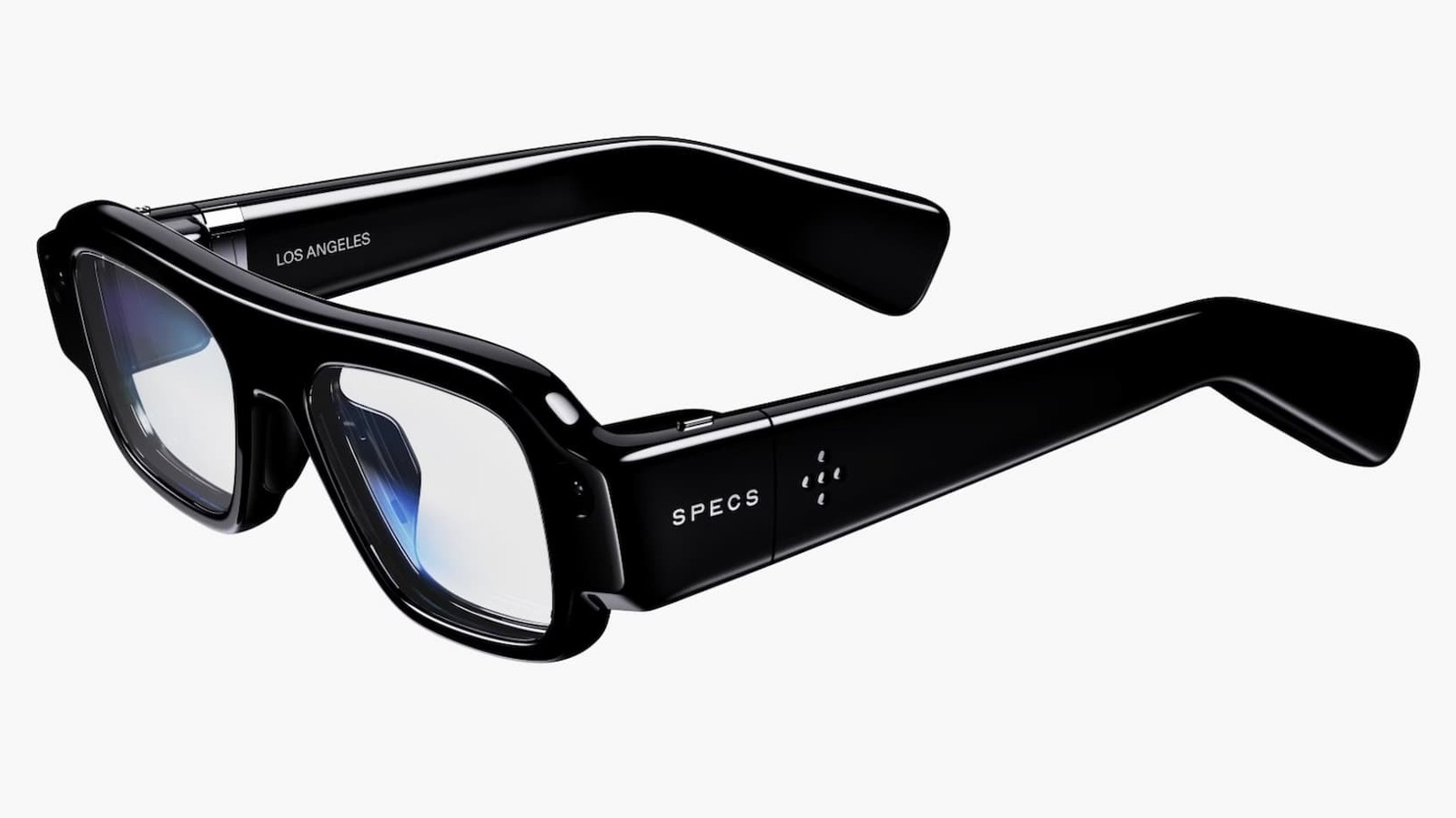
Snap is hosting a major event on September 16 to officially launch its AR Specs, offering an in-depth look at the augmented reality glasses priced at $2,195.
Snap's Vision for Augmented Reality
Snap Inc. is poised to make a significant entry into the consumer augmented reality market with the public launch of its standalone AR Specs. The company has announced a special event in Los Angeles on September 16, starting at 7 PM ET, which will also be livestreamed for a global audience. This event is anticipated to provide the most comprehensive demonstration of the Specs' capabilities to date.
Snap's CEO, Evan Spiegel, is slated to lead the presentation, showcasing how the Specs integrate AI assistance, facilitate professional tasks, offer entertainment options, and enable shared experiences. The core message emphasizes how these glasses can help users create, connect, learn, and accomplish tasks while remaining engaged with their physical surroundings. This approach aligns with Snap's long-standing interest in overlaying digital content onto the real world, as evidenced by its popular Lenses feature within the Snapchat app.
Technical Specifications and Features
Pre-orders for the AR Specs commenced last month, with an expected shipping window in the fall for customers in the United States, the United Kingdom, and France. The retail price for the device is set at $2,195, positioning it as a premium offering in the nascent AR hardware sector. The September 16 event is likely to provide precise details regarding shipping timelines.
The Specs will be available in two distinct sizes: 47mm and a slightly wider 52mm, aiming to accommodate different head sizes. Battery performance is rated at up to four hours of what Snap describes as "mixed use." Powering these AR glasses are two Qualcomm Snapdragon processors. One processor is dedicated to handling computer vision tasks, crucial for understanding the user's environment, while the other is optimized for running augmented reality applications.
Software and Ecosystem Integration
Beyond the hardware, the AR Specs boast a robust software ecosystem. They feature a built-in browser, allowing users to access web content directly through the glasses. A key aspect of their functionality is AI assistance, delivered through partnerships with leading artificial intelligence companies, OpenAI and Google. This integration is expected to provide users with intelligent support and information in real-time.
The device will support hundreds of AR Lenses, which are essentially augmented reality applications. These Lenses cover a broad spectrum, from interactive games to practical tools, leveraging Snap's existing creative community and development platform. The thick arms of the Specs are not merely an aesthetic choice; they discreetly house the advanced processing units and other essential components necessary for the augmented reality experience.
Market Positioning and Future Outlook
Snap's entry into the high-end AR glasses market with Specs signals a long-term commitment to augmented reality as a core technology. While the price point of over $2,000 places it beyond the reach of many casual consumers, it targets early adopters, developers, and professional users who can leverage its advanced capabilities. The event will be a critical moment for Snap to articulate its vision for how these glasses will integrate into daily life and offer unique value propositions.
The company's strategy appears to involve cultivating a rich application ecosystem and demonstrating practical use cases beyond simple filters, aiming to differentiate Specs from previous, less successful attempts at consumer AR eyewear. The in-depth look promised at the launch event will reveal whether Snap can effectively bridge the gap between ambitious AR concepts and a compelling user experience, particularly given the competitive landscape emerging in the augmented reality space, as noted by Engadget.
Why it matters
The launch of Snap's AR Specs carries significant implications for AI, technicians, and telco operations. Integrating AI assistance from OpenAI and Google directly into wearable hardware signifies a growing trend where AI moves from cloud-based processing to edge devices, demanding efficient, low-power AI inference capabilities. For technicians, this heralds a new era of AR-assisted workflows, potentially transforming field service, remote collaboration, and complex equipment maintenance by overlaying digital instructions and data onto real-world views. Telco providers will face increasing demands for high-bandwidth, low-latency connectivity to support the real-time data streaming and cloud-based AI processing that augmented reality applications will require, particularly for shared and complex experiences. Data centres will also need to scale to handle the influx of AR content creation, processing, and storage, supporting both the AI models and the vast amounts of environmental data collected by these devices. This shift will accelerate the need for robust, ubiquitous 5G infrastructure and advanced edge computing solutions.
More from Trends
RSS
AI Agents on the Horizon: Milestones for Widespread Adoption
AI agents are poised to become ubiquitous, but three critical milestones must be met: transforming software development, establishing trust through verification, and democratizing agent creation.

Voice AI Set to Reshape Healthcare Communication
Generative AI voice agents, leveraging large language models, are poised to revolutionize patient engagement and administrative tasks within healthcare.

DeepMind's Nobel Recognition: A Catalyst for New Scientific Frontiers
Google DeepMind's AlphaFold, a protein-folding AI, has earned a Nobel Prize, sparking discussion about AI's role in fundamental scientific breakthroughs.