Augmented Reality System Helps Autistic Children Decode Emotions
A novel augmented reality system, built on an upgraded Google Glass platform, is showing promising results in helping children with autism spectrum disorder recognize and interpret human emotions in real-time.
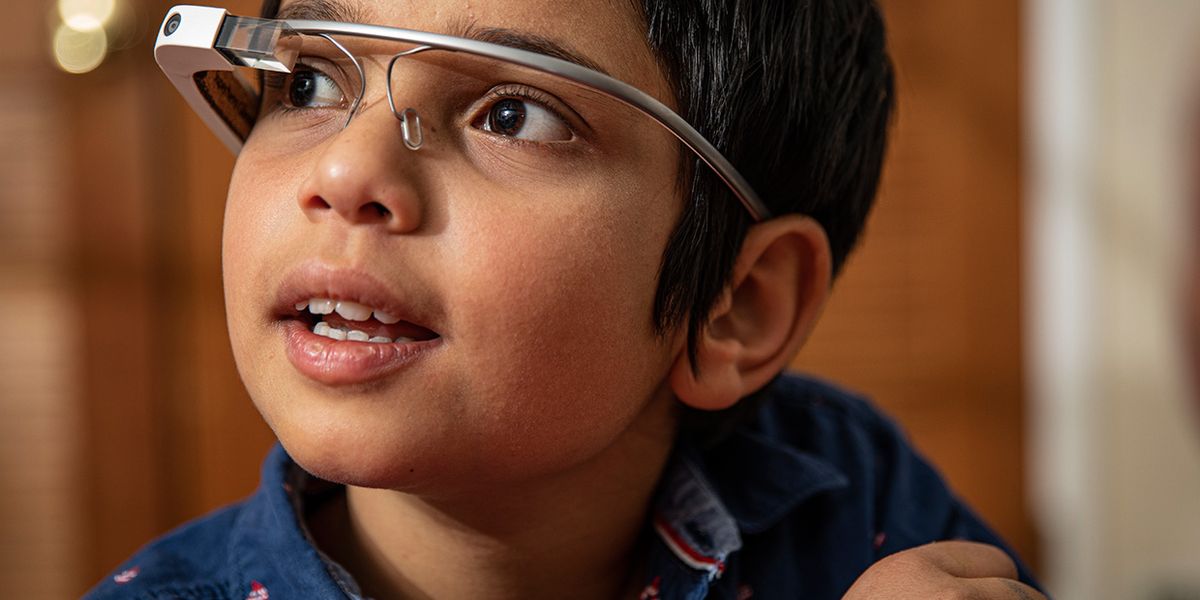
An innovative augmented reality system, based on an enhanced Google Glass device, is demonstrating significant potential in assisting autistic children with real-time emotion recognition.
Bridging the Empathy Gap with Augmented Reality
For many individuals on the autism spectrum, understanding and responding to the complex nuances of human emotion can be a profound challenge. This difficulty often leads to social communication hurdles, impacting daily interactions and personal development. Traditional therapeutic approaches often involve structured learning environments, role-playing, and extensive practice to help children decode facial expressions and vocal tones. While effective, these methods can be time-consuming and may not seamlessly translate to spontaneous, real-world social situations. Imagine a tool that could provide immediate, non-intrusive cues, translating the subtle shifts in a person's face into easily digestible information. This is precisely the aim of a groundbreaking augmented reality system, developed using an enhanced version of Google Glass, designed to empower children with autism spectrum disorder (ASD) to navigate the intricate landscape of human feelings.
This wearable technology acts as a real-time interpreter of social cues, offering an unprecedented level of support in understanding emotions. The core concept revolves around making the invisible visible: converting fleeting facial expressions into simple, recognizable visual cues for the wearer. This innovative application represents a significant step forward in leveraging augmented reality not just for entertainment or industrial tasks, but for directly addressing fundamental human developmental challenges. By providing immediate feedback in naturalistic settings, the system fosters a learning environment that is both engaging and effective, potentially accelerating the development of crucial social skills and improving overall quality of life for young individuals with ASD.
The Technology Behind the Transformation
At the heart of this system lies a sophisticated blend of hardware and artificial intelligence. The platform utilizes an upgraded version of Google Glass, specifically chosen for its lightweight design and ability to project information directly into the wearer's field of vision without obstructing their view. This discreet form factor is crucial, ensuring that the device feels less like a medical aid and more like a natural extension of perception. The Glass unit is equipped with a camera that continuously captures the faces of people the wearer is interacting with. This visual data is then fed into a powerful, on-device AI algorithm that specializes in facial emotion recognition.
This AI model has been extensively trained on vast datasets of human facial expressions, enabling it to accurately identify a range of emotions such as happiness, sadness, anger, surprise, fear, and disgust. The processing occurs almost instantaneously, allowing for real-time analysis. Once an emotion is identified, the system generates a corresponding visual cue, such as an emoji or a simple descriptive word, which is then projected onto the Glass's prism display. This visual indicator appears subtly at the edge of the wearer's vision, providing immediate context without overwhelming them. For instance, if a person smiles, a happy emoji might appear, reinforcing the meaning of that expression. This instantaneous feedback loop is what makes the technology so impactful, allowing children to connect a visual cue with a specific emotion as it happens in a social context.
Clinical Trials and Promising Outcomes
The efficacy of this augmented reality system has been rigorously evaluated through clinical trials involving children diagnosed with autism spectrum disorder. The research was structured to assess both the immediate impact of the technology during interactions and its long-term effects on emotional recognition abilities. Participants, typically aged between six and twelve, wore the modified Google Glass during everyday activities, including therapy sessions, school interactions, and home environments. The trials focused on quantifying improvements in several key areas: the speed and accuracy with which children identified emotions, their subsequent behavioral responses, and their overall engagement in social scenarios.
Initial findings have been remarkably positive. Children using the device demonstrated a notable increase in their ability to correctly identify and categorize emotions in real-time. Parents and therapists reported observing significant improvements in the children's social interactions, noting that they were more engaged, initiated more conversations, and showed a better understanding of others' feelings. The system not only helped them recognize emotions but also prompted more appropriate social responses. Crucially, the studies also indicated that these gains were not merely dependent on the presence of the device. Many children showed improved emotion recognition even when not wearing the Glass, suggesting that the technology acts as a powerful learning aid, building foundational skills that generalize to unassisted situations. This transfer of learning is a critical indicator of the system's therapeutic potential, moving beyond mere augmentation to fostering genuine developmental progress.
Challenges and the Path Forward
While the initial results are highly encouraging, the deployment of such a sophisticated system is not without its challenges. One primary concern is the cost of the hardware and the associated AI development, which can make widespread accessibility difficult for many families. Ensuring the technology is affordable and covered by healthcare providers will be crucial for broader adoption. Another aspect under continuous development is the refinement of the AI algorithm itself. While highly accurate, even small errors in emotion recognition could lead to misinterpretations, potentially hindering rather than helping social development. Researchers are continuously working to improve the model's precision and robustness across diverse facial expressions, lighting conditions, and individual variations.
Furthermore, the comfort and social acceptance of wearing a device like Google Glass in public settings remain important considerations. While the design is discreet, some children might feel self-conscious or find it physically uncomfortable for extended periods. Future iterations may explore even more subtle form factors or integrate the technology into standard eyeglasses. The ethical implications of using AI to interpret human emotions, particularly in children, are also being carefully considered. This includes data privacy, consent, and ensuring the technology empowers individuals without fostering an over-reliance on artificial aids. Ongoing research is also exploring how to tailor the system to individual needs, offering personalized learning paths and adjusting the level of assistance provided as a child's skills improve. This adaptive approach aims to maximize the therapeutic benefit while promoting self-sufficiency.
Why it matters
This pioneering application of augmented reality and AI holds significant implications for various fields, particularly in areas demanding real-time human interaction and interpretation. For in-field technicians, especially those working with clients or in collaborative environments, similar AR overlays could provide immediate, non-verbal cues about a customer's mood or understanding, enhancing communication and service delivery. In data center operations, where critical decisions are often made under pressure, AI-powered AR could offer team members shared visual cues about complex system states or even assist in interpreting the emotional tenor of a crisis situation among colleagues, facilitating better coordination. The fundamental principle of providing immediate, context-aware information directly within the field of vision has broad utility, extending beyond therapeutic applications to practical enhancements in communication, training, and operational efficiency across numerous industries. As noted in IEEE Spectrum, this technology represents a powerful fusion of AI and AR, proving that these tools can profoundly augment human capabilities in nuanced and impactful ways.
More from Trends
RSS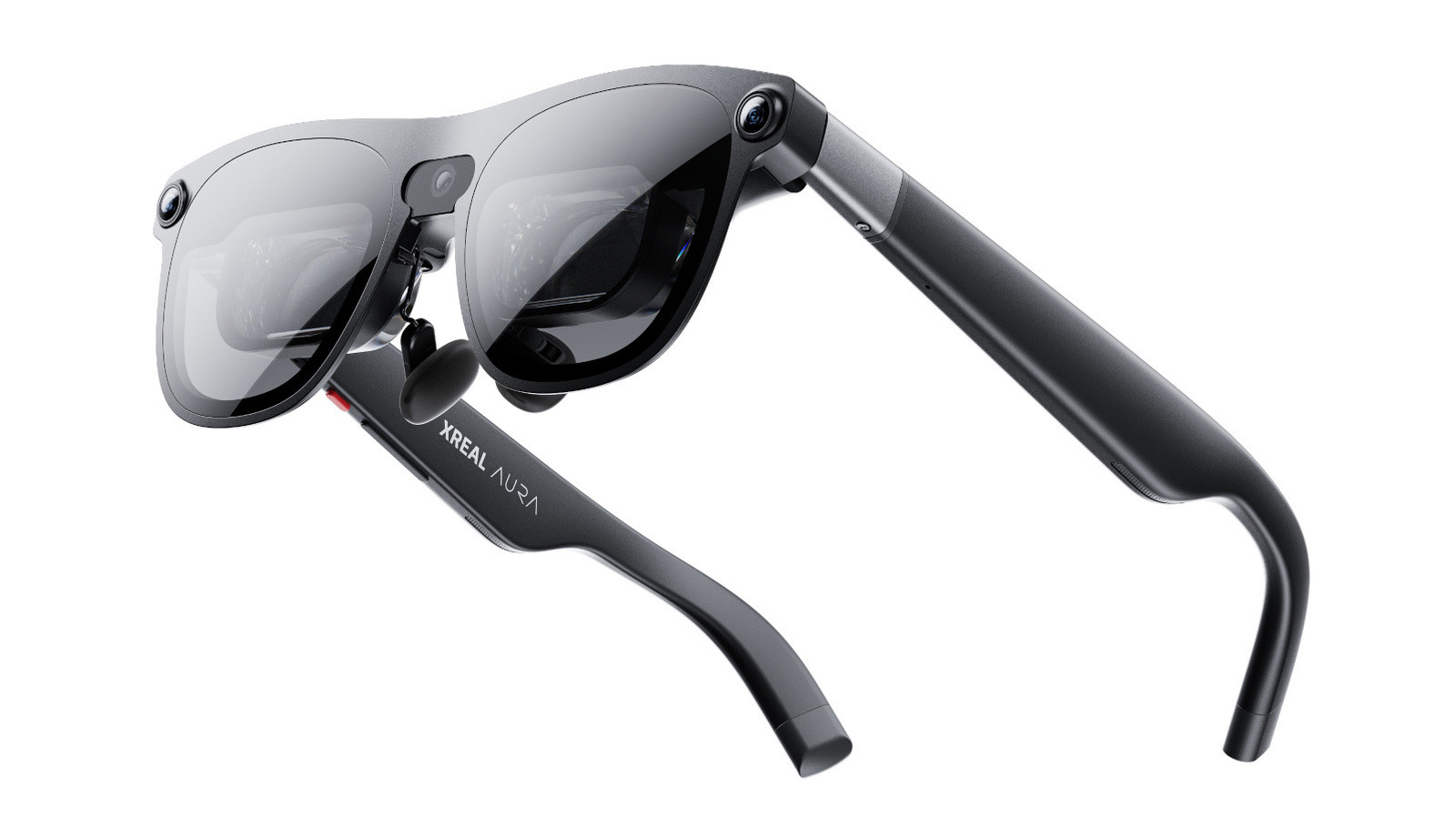
Xreal's Aura Smartglasses Offer a Glimpse into the Tethered AR Future
Xreal's Aura smartglasses, featuring Android XR and Snapdragon Reality Elite, are now available for pre-order, promising a high-fidelity augmented reality experience.

Schneider Electric's $22.6 Billion Acquisition of PTC Signals Major AI Software Push
Schneider Electric's largest-ever acquisition of US software firm PTC for $22.6 billion positions the company to dominate the industrial AI and data center software market.
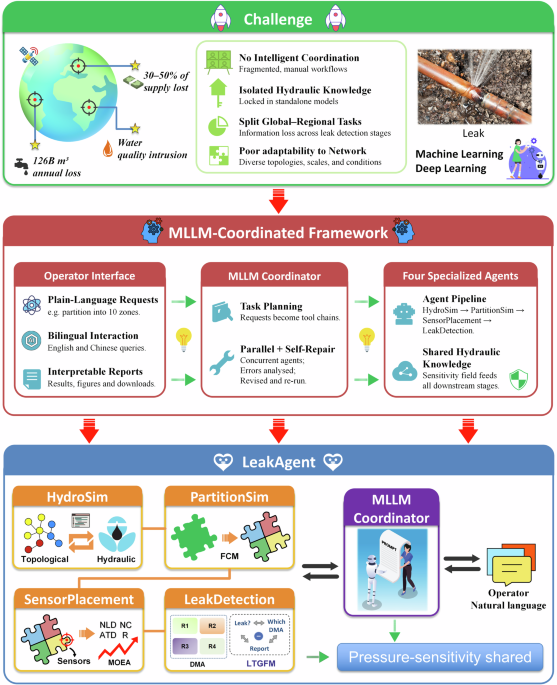
LeakAgent: AI-Driven System Revolutionizes Water Leak Detection
A groundbreaking multi-agent AI system, coordinated by a large language model, is transforming water leak detection by unifying previously siloed processes, achieving high accuracy across diverse networks.