Schneider Electric's $22.6 Billion Acquisition of PTC Signals Major AI Software Push
Schneider Electric's largest-ever acquisition of US software firm PTC for $22.6 billion positions the company to dominate the industrial AI and data center software market.

French industrial giant Schneider Electric has announced its largest-ever acquisition, agreeing to purchase US software company PTC for approximately $22.6 billion, a strategic move aimed at bolstering its industrial software and artificial intelligence capabilities.
A Bold Strategic Leap into Software
Schneider Electric, historically recognized for its electrical components and automation solutions, is making a significant pivot towards becoming a leader in industrial software and AI. This landmark acquisition of PTC, a company specializing in product design and lifecycle management software, represents Schneider's most substantial deal to date. The move comes as Schneider Electric continues to build out the critical infrastructure for data centers, supplying a wide range of equipment from cooling systems to power distribution units, an area experiencing exponential growth due to surging demand for artificial intelligence infrastructure.
The announcement, however, was met with a mixed reaction in the financial markets. Schneider Electric's shares experienced a nearly 10% decline in early trading in Paris. This dip reflected investor apprehension regarding the sheer size of the acquisition, the substantial premium offered for PTC's shares, and broader market uncertainties surrounding the valuation of software companies in an era of rapid AI evolution. Despite this initial market reaction, some analysts view the deal as an opportune acquisition, given the current environment of compressed valuations and challenging investor sentiment within the software sector.
Conversely, PTC's shares saw a sharp increase of 34.4% in premarket trading in the US, reflecting the significant value placed on the company by Schneider Electric.
Strengthening the AI Backbone for Industry
Schneider Electric's strategic vision involves leveraging PTC's extensive engineering and design data to enhance its ability to deploy AI solutions across various industrial operations. Olivier Blum, CEO of Schneider, emphasized the critical role of data in extracting value from AI, highlighting the necessity for closer integration between raw data and the software used to contextualize it. This synergy is expected to significantly strengthen Schneider's offerings in industrial AI.
The integration of PTC is projected to notably increase Schneider's revenue derived from software-as-a-service, pushing it to approximately 24% of the group's total sales. This marks a clear acceleration of Schneider's long-term strategy to expand beyond its traditional electrical equipment and automation businesses into the higher-growth, recurring-revenue model of software. The company anticipates software-associated revenues to grow by five percentage points, reaching 25% of total group revenues following the integration of PTC and its previous acquisition of Cognite Holding.
This robust demand for data centers, particularly from the United States, is a key driver for Schneider's strong earnings, helping to offset any potential weaknesses in more traditional electrical equipment markets. PTC, with its established software solutions for product design, manufacturing, and service across diverse industries, has also benefited from the increasing demand for its AI-powered tools.
Navigating Market Dynamics and Valuation
The acquisition of PTC follows Schneider's earlier agreement in June to purchase Cognite Holding, a private provider of AI software and industrial data. These consecutive strategic moves underscore Schneider's commitment to building a formidable presence in the industrial software and AI landscape.
The current market environment sees PTC and its industry peers, such as Dassault, Nemetschek, and Autodesk, trading at valuation multiples that are considerably lower than their peaks in 2021. This trend is largely attributed to investor concerns about potential AI disruption impacting traditional software valuations. Schneider's offer of $205 per share represents a substantial 42.3% premium over PTC's closing price prior to the announcement, signaling Schneider's confidence in PTC's long-term value despite prevailing market sentiments.
Transaction Details and Future Outlook
The $22.6 billion transaction, which implies an enterprise value of $23.7 billion for PTC, stands as Schneider Electric's largest acquisition and ranks among Europe's most significant deals this year, according to LSEG data. To finance this ambitious undertaking, Schneider plans to issue new shares amounting to €5 billion to €6 billion under an existing shareholder authorization, complemented by new debt totaling €16 billion to €17 billion.
Schneider Electric projects that the acquisition will generate approximately €250 million in annual run-rate cost savings within three years of closing, alongside an estimated €800 million in revenue synergies. The company, which is France's third-highest-valued listed entity, anticipates the deal will close by the third quarter of 2027, pending approvals from PTC shareholders and relevant regulatory bodies. The reporting on this major corporate development was first provided by Reuters.
Why it matters
This acquisition holds significant implications for AI, infrastructure, and industrial operations. For data center operators and telecommunications companies, Schneider's enhanced software portfolio, particularly in industrial AI, could lead to more intelligent, efficient, and predictive management of critical infrastructure. Technicians and engineers in the field will likely benefit from advanced digital twin capabilities and AI-driven predictive maintenance, improving uptime and operational efficiency. The integration of PTC's design and lifecycle management tools with Schneider's automation and energy management systems creates a powerful ecosystem for next-generation smart factories and resilient data centers, further solidifying the convergence of operational technology and information technology driven by AI.
More from Trends
RSS
Augmented Reality System Helps Autistic Children Decode Emotions
A novel augmented reality system, built on an upgraded Google Glass platform, is showing promising results in helping children with autism spectrum disorder recognize and interpret human emotions in real-time.
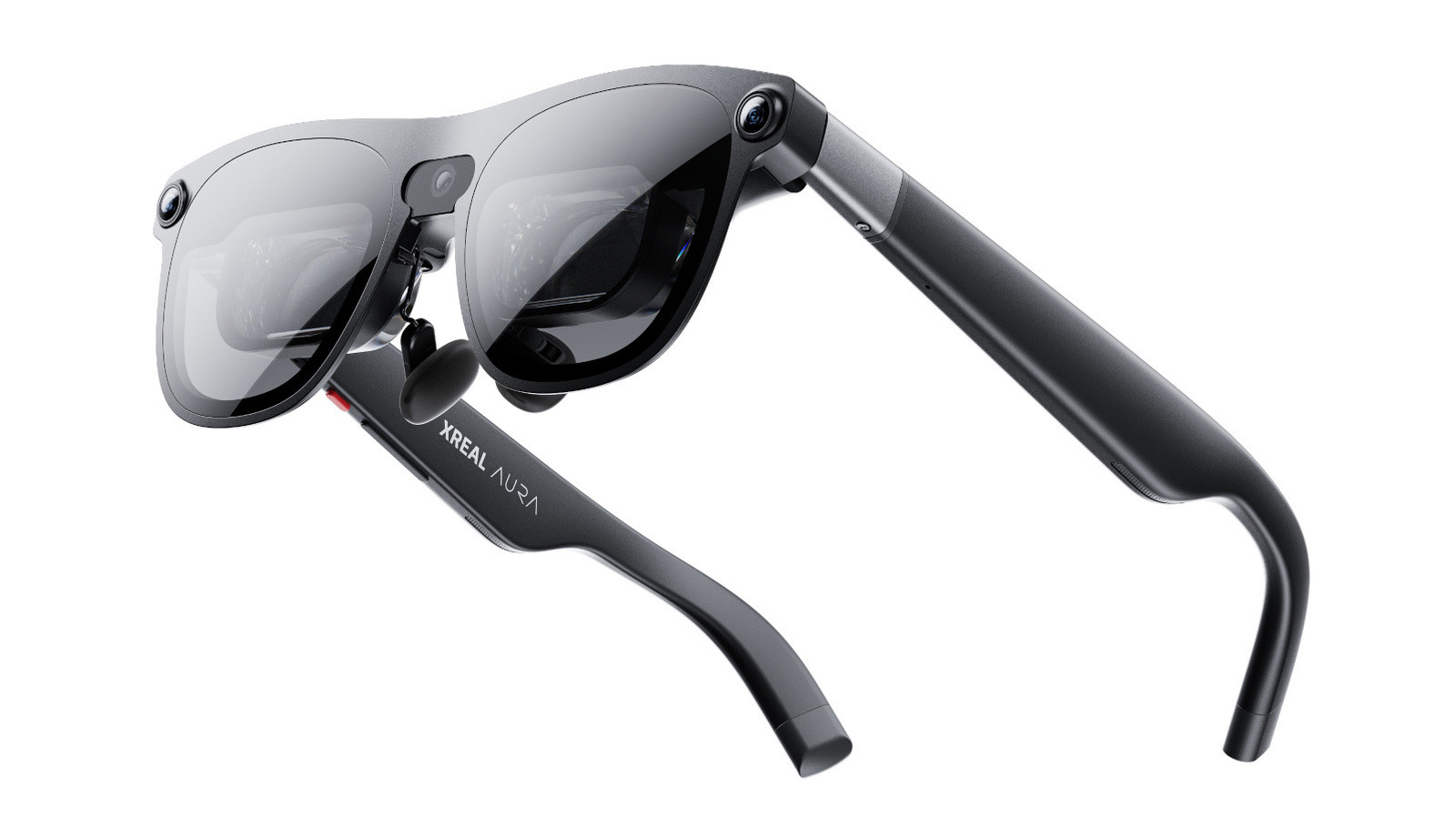
Xreal's Aura Smartglasses Offer a Glimpse into the Tethered AR Future
Xreal's Aura smartglasses, featuring Android XR and Snapdragon Reality Elite, are now available for pre-order, promising a high-fidelity augmented reality experience.
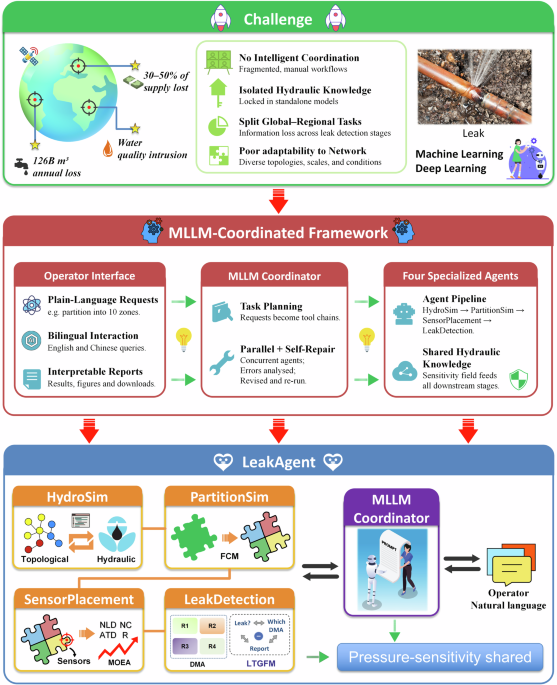
LeakAgent: AI-Driven System Revolutionizes Water Leak Detection
A groundbreaking multi-agent AI system, coordinated by a large language model, is transforming water leak detection by unifying previously siloed processes, achieving high accuracy across diverse networks.