Xreal's Aura Smartglasses Offer a Glimpse into the Tethered AR Future
Xreal's Aura smartglasses, featuring Android XR and Snapdragon Reality Elite, are now available for pre-order, promising a high-fidelity augmented reality experience.
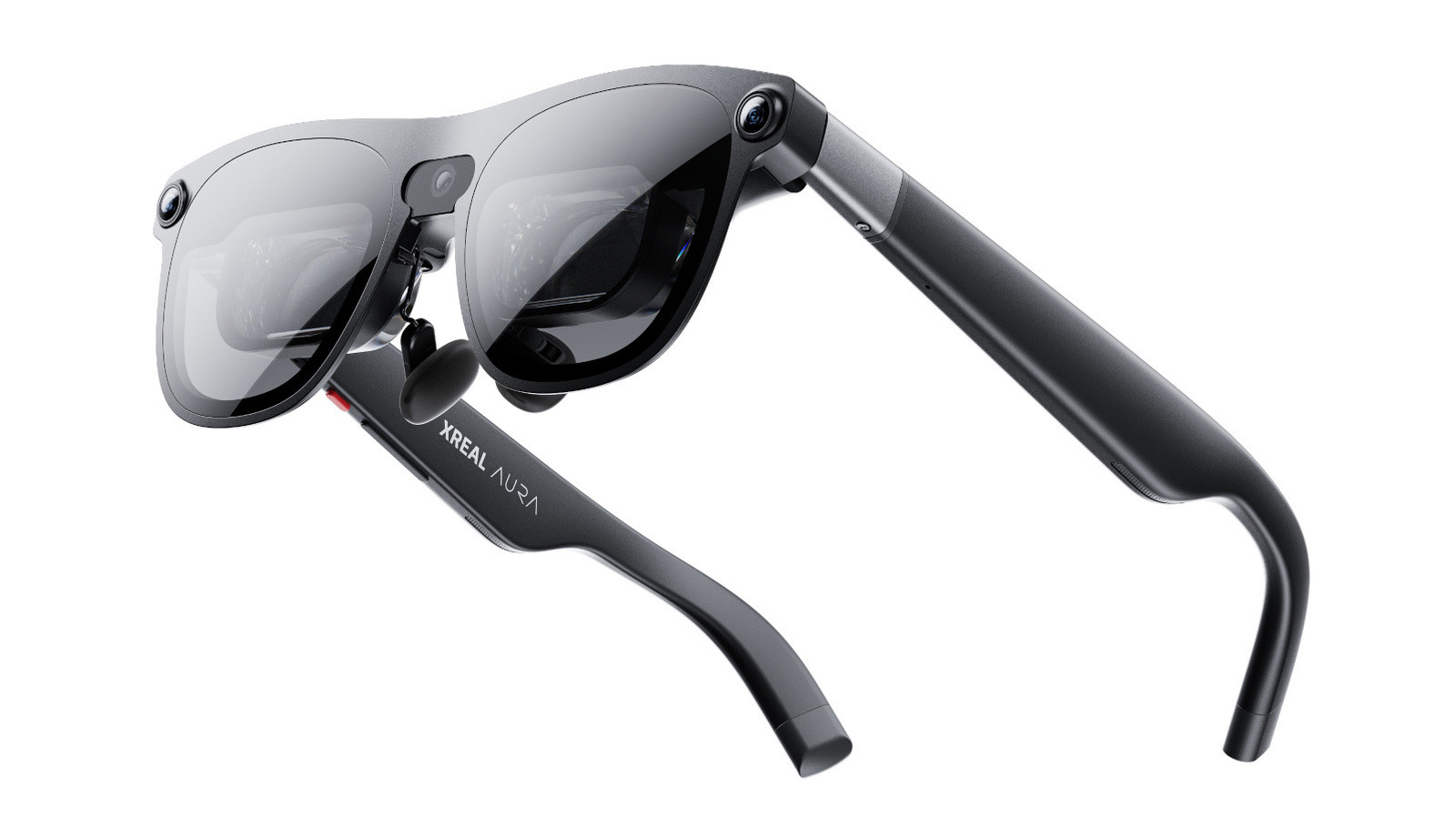
Xreal is launching its Aura smartglasses, a tethered augmented reality system, with prices starting at $1,279, signaling a significant step in consumer-grade XR hardware.
Ushering in the Next Generation of Augmented Reality
The landscape of augmented reality (AR) is consistently evolving, with new hardware platforms pushing the boundaries of immersive digital experiences. A prominent new contender in this space is Xreal's Aura smartglasses, a device that officially became available for pre-order, initially for customers who had placed a reservation deposit. Unveiled earlier this year at Google I/O, the Aura system is built upon Google's Android XR platform, promising a robust and familiar operating environment for users. This release represents a calculated move by Xreal to solidify its position in the burgeoning AR market, offering a compelling blend of advanced technology and ergonomic design, albeit with a unique tethered architecture.
The starting price point for the Aura glasses is $1,279, reflecting the sophisticated technology packed into the device. Unlike some standalone AR headsets, the Aura adopts a tethered design. The glasses themselves are remarkably lightweight, tipping the scales at less than 95 grams, a characteristic crucial for extended wear comfort. This low weight is achieved by offloading the bulk of the processing power and battery to a separate, external compute puck. This puck, which runs the Android XR operating system, is the brain of the operation, featuring access to the Google Play Store for applications and integrating Google's Gemini for AI capabilities, thereby offering a rich and interactive experience. This design philosophy aims to deliver high performance without sacrificing the wearability that is essential for everyday use of smartglasses.
Engineering for Enhanced Immersion and Comfort
At the core of the Aura's technical prowess is the Snapdragon Reality Elite chip, a specialized processor developed by Qualcomm. This chip is specifically engineered to power augmented and mixed reality experiences in devices that are both smaller and lighter than previous generations. Its inclusion allows the Aura to achieve impressive graphical fidelity and seamless interaction within its compact form factor. The visual experience is further enhanced by a wide 70-degree field of view, which is substantial for smartglasses, providing an expansive digital canvas directly in the user's line of sight.
Crucially, the lenses of the Aura glasses are transparent, maintaining the user's natural view of their surroundings. This passthrough capability is fundamental for true augmented reality, allowing digital content to be seamlessly overlaid onto the real world rather than replacing it entirely. Initial assessments of the Aura's display technology have highlighted its exceptional sharpness and brightness, even when tested in challenging outdoor conditions with direct sunlight. This level of visual clarity is vital for ensuring that digital overlays are discernible and engaging, regardless of the ambient lighting. Complementing the visual experience is a high-quality audio system, incorporating Bose-engineered technologies to deliver clear and immersive sound, further integrating the digital and physical realms.
The Compute Puck: Powering the Experience
The external compute puck is more than just a power source; it is an integral component of the Aura system's functionality and user interface. Beyond housing the Android XR operating system and providing the necessary processing muscle, the puck includes several key features designed for intuitive interaction. A built-in trackpad offers a familiar method for navigation through menus and applications, while an integrated fingerprint sensor adds a layer of security and convenience for unlocking the device or authenticating payments. Xreal suggests practical ways to carry the puck, recommending either a lanyard for accessibility or clipping it to clothing or personal items to keep it out of the way during use. This modular approach ensures that the glasses remain lightweight and comfortable, while the compute unit handles the intensive tasks.
Furthermore, the versatility of the Aura system extends to its connectivity options. Users are not limited to the compute puck alone; the smartglasses can also be directly connected to a computer. This capability transforms the Aura into an external display, offering a high-resolution, private screen that can be utilized for productivity, gaming, or content consumption, effectively expanding the utility of the glasses beyond their primary AR function. This dual-use capability positions the Aura as a flexible tool for both dedicated augmented reality applications and as a sophisticated peripheral for existing computing setups.
Configurations, Availability, and Market Expansion
Xreal is making the Aura smartglasses available in two distinct physical sizes to accommodate a wider range of users: a medium size, suitable for interpupillary distances (IPD) between 60-66mm, and a large size, designed for IPDs between 66-72mm. Each package includes the essential compute puck, and customers have a choice between two hardware configurations. The baseline model comes equipped with 12GB of RAM and 256GB of internal storage. For those requiring more robust performance and greater storage capacity, a premium configuration is available, featuring 16GB of RAM and a more generous 512GB of storage, priced at $1,499.
The initial rollout of the Aura is set to begin shortly after general public orders open in the coming weeks, targeting key markets including the United States, Canada, Japan, and South Korea. Xreal has ambitious plans for broader market penetration, with an anticipated release to additional regions scheduled for 2027. This phased global launch strategy, as reported by Engadget, allows the company to gather initial user feedback and refine its distribution channels before a wider expansion. The strategic introduction of different configurations and sizes underscores Xreal's commitment to delivering a product that meets diverse consumer needs and preferences in the rapidly evolving AR landscape.
Why it matters
The launch of Xreal's Aura smartglasses is a pivotal moment for in-field AI, technicians, and data center operations. For technicians and field service personnel, lightweight, high-fidelity AR glasses like the Aura can provide on-the-spot access to schematics, remote expert guidance via video overlay, and interactive training modules, significantly improving efficiency and reducing downtime. The integration of Gemini AI suggests future applications in intelligent diagnostics and predictive maintenance. For data center operations, such devices could enable visual inspections with real-time data overlays on server racks, temperature monitoring, and cable tracing, all hands-free. The tethered nature, while seemingly a drawback, ensures consistent processing power and access to robust software, making it a reliable tool for demanding industrial applications where performance cannot be compromised. The availability of Android XR further simplifies enterprise deployment, leveraging existing Android ecosystems for app development and management.
More from Trends
RSS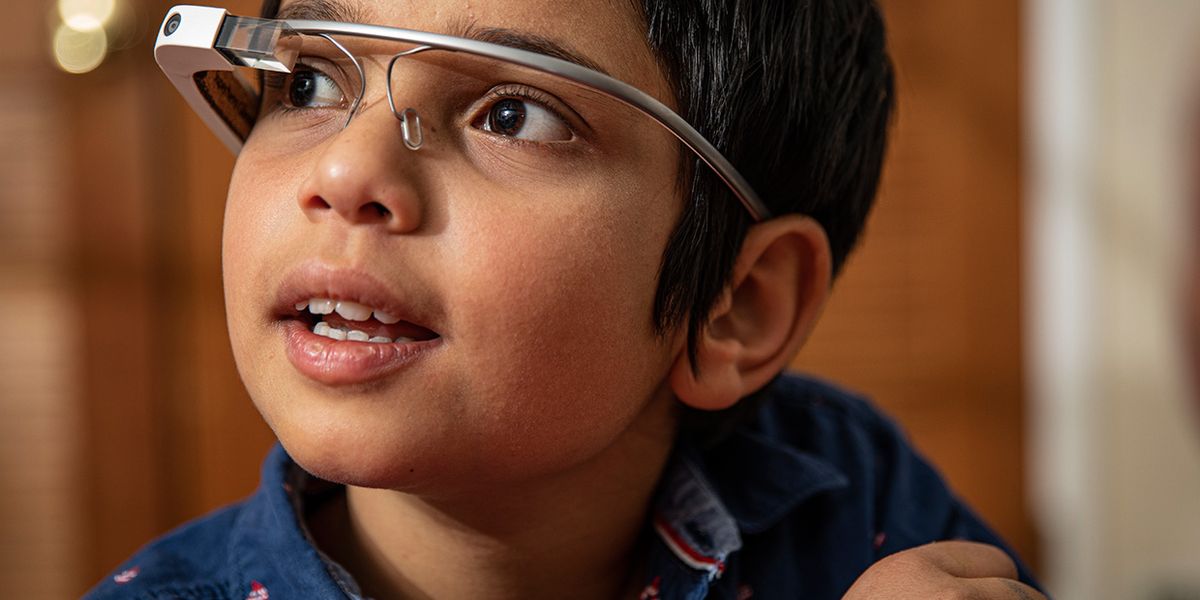
Augmented Reality System Helps Autistic Children Decode Emotions
A novel augmented reality system, built on an upgraded Google Glass platform, is showing promising results in helping children with autism spectrum disorder recognize and interpret human emotions in real-time.

Schneider Electric's $22.6 Billion Acquisition of PTC Signals Major AI Software Push
Schneider Electric's largest-ever acquisition of US software firm PTC for $22.6 billion positions the company to dominate the industrial AI and data center software market.
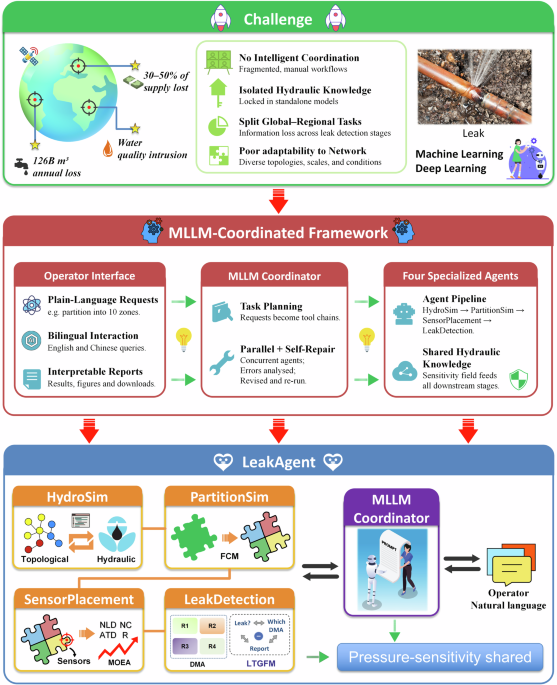
LeakAgent: AI-Driven System Revolutionizes Water Leak Detection
A groundbreaking multi-agent AI system, coordinated by a large language model, is transforming water leak detection by unifying previously siloed processes, achieving high accuracy across diverse networks.